

Project Development
AfriSAF’s Project Development arm represents the long-term vision of the organisation to scale the production of advanced biofuels such as sustainable aviation fuels (SAF) across Africa
Why Project Development Matters
Why Africa for SAF Project Development?
Local value creation, sustainable supply chains, green job creation, and lower Carbon Intensity (CI) scored SAF sit at the core of our mission. By leveraging regional bio-feedstocks and clean processing pathways, African SAF production unlocks transformative economic opportunities while delivering high-environmental-integrity fuels to the global aviation sector.
According to recent analysis by the World Bank, Africa has the potential to produce the lowest-priced SAF in the world, placing the continent at the strategic centre of global aviation decarbonisation.
Who We Partner
Building complete project ecosystems by aligning critical stakeholders across the project lifecycle

Feedstock suppliers
Agricultural aggregators and waste suppliers delivering verified, traceable feedstock.
EPC Partners
Engineering, Procurement, and Construction contractors executing project infrastructure.
Technology Providers
Deploying both proven and emerging technology to realise value from sustainable feedstock.
Finance & Investors
Development finance institutions (DFIs), private equity, and impact investors funding feasibility through FID.
Offtakers
Airlines, corporate buyers, and fuel distributors securing long-term fuel off-take agreements.
Governments & Regulators
Host governments and policy partners enabling supportive frameworks and certification routes.
Owner
Asset owner who serves as the principal driver and risk-bearer of the project.
Operators
Infrastructure operators running safe, efficient, and compliant SAF production facilities.
How We Scale Sustainable Fuel
How We Execute & Pathway Technologies
We bridge the gap between upstream feedstock aggregation and downstream commercial fuel delivery through rigorous project execution methodology. By deploying certified feedstock into primary conversion pathways, we systematically derisk project execution.
Technology Pathways
Our commercial-scale projects are built on conversion pathways approved under ASTM D7566, the international specification for synthetic jet fuel.
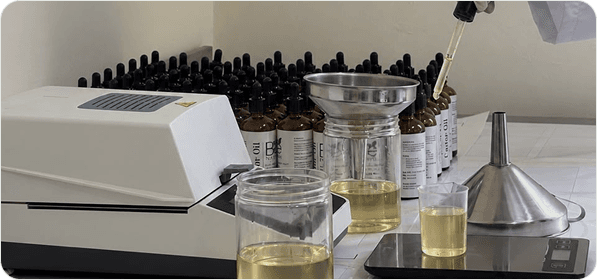
HEFA (Hydro processed Esters and Fatty Acids)
The most commercially mature route. Waste and residual oils are hydroprocessed into jet-range kerosene.
Feedstocks
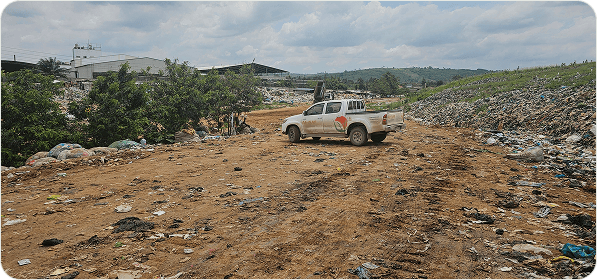
Biogas to SAF
Capturing agricultural and municipal organic waste gas streams to produce synthetic paraffinic kerosene.
Feedstocks
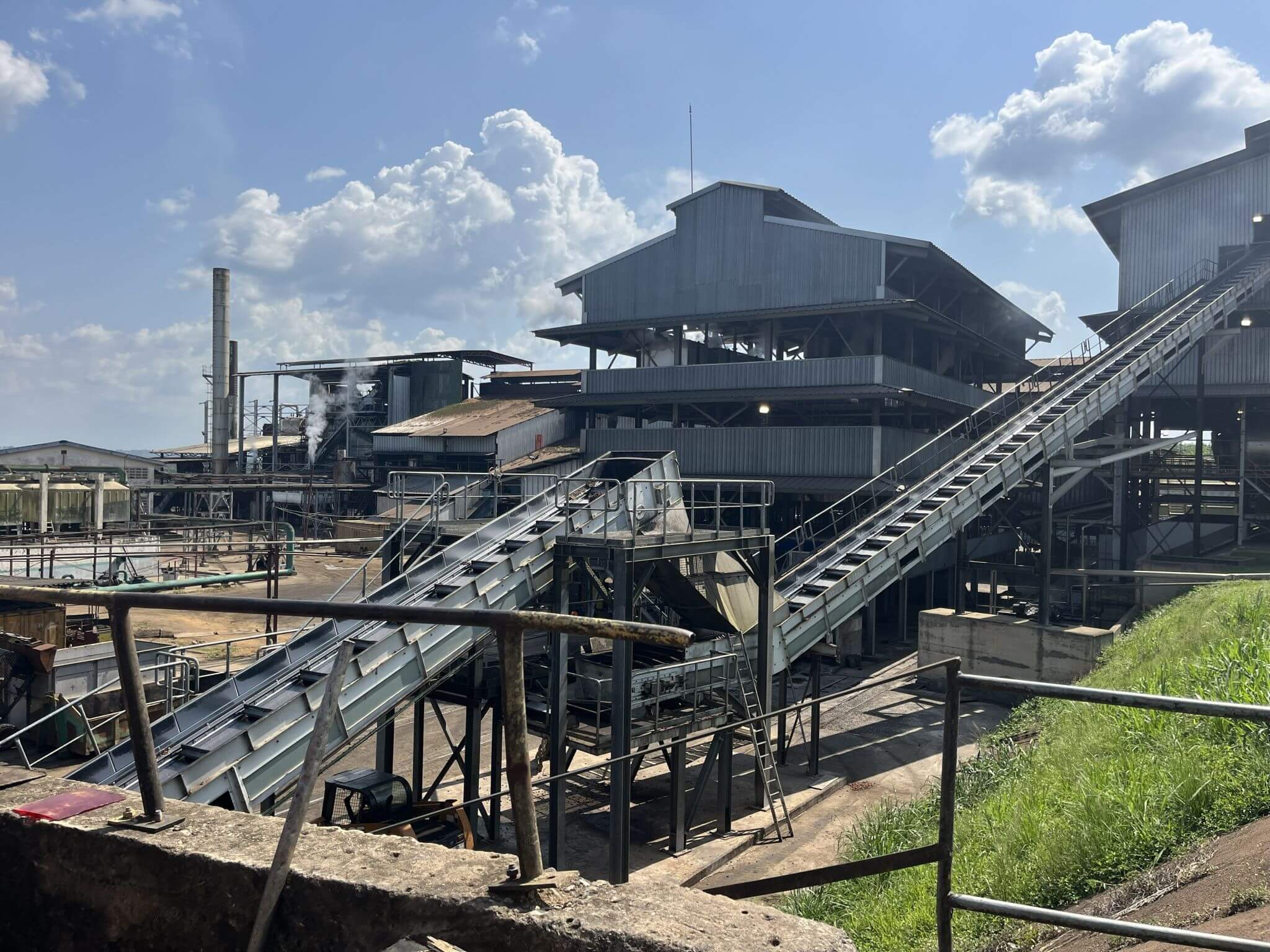
Alcohol-to-Jet (AtJ)
Alcohols are dehydrated, oligomerised and hydrotreated into jet fuel. Methanol was added as an approved feedstock in 2026, opening a route for biomethanol and e-methanol.
Feedstocks
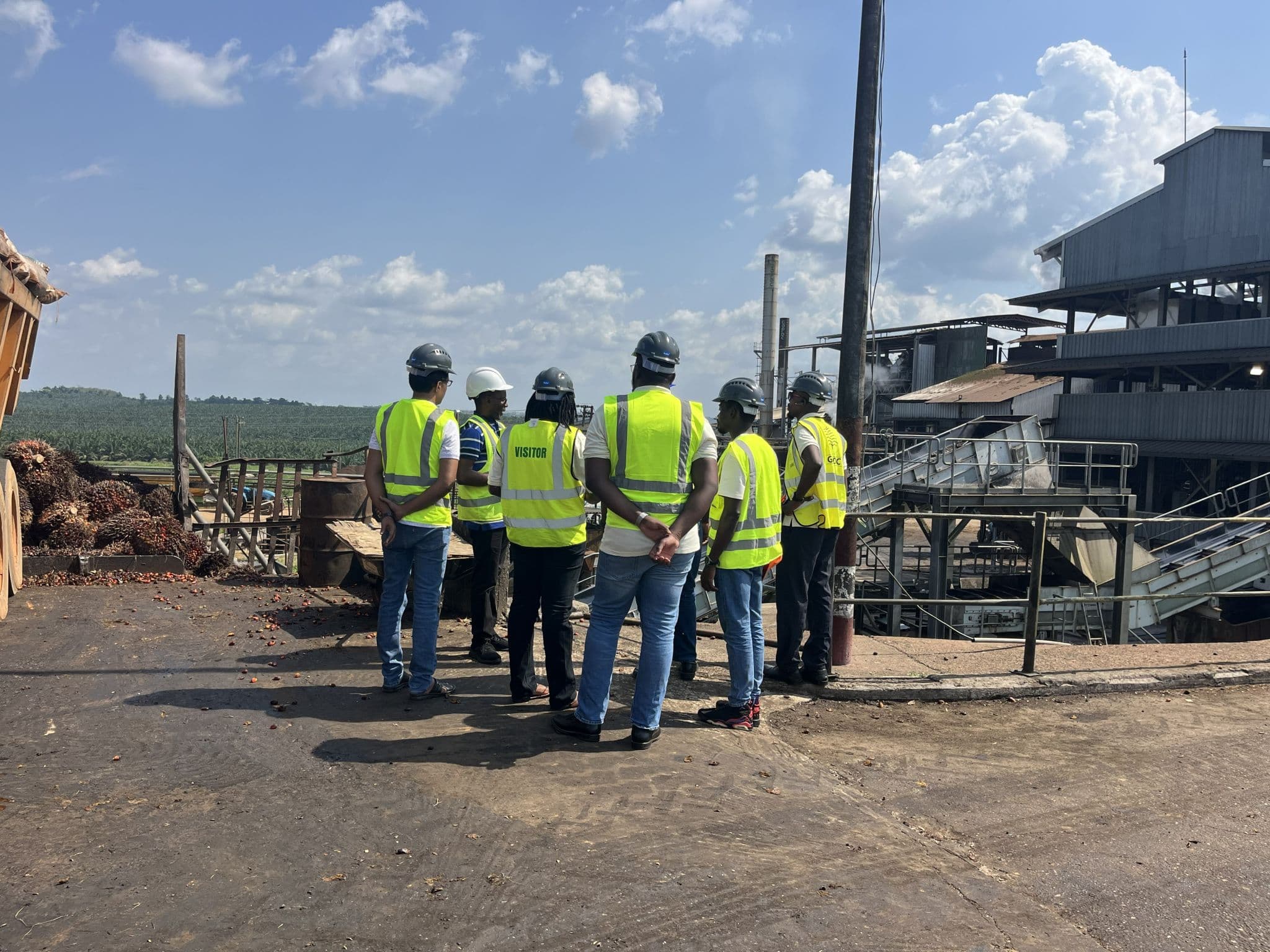

Fischer-Tropsch (FT) Gasification
Carbon-rich feedstocks are converted to syngas, cleaned and synthesised into liquid hydrocarbons. FT is also the main approved route for biogas and Power-to-Liquid (e-SAF) projects.
Feedstocks
Power-to-Liquid (PtL / e-SAF)
Combining captured carbon dioxide with green hydrogen produced via renewable electricity to create synthetic jet fuel.
Feedstocks
What We Do
Driving Bankable SAF Projects
We structure and deploy consortiums that assemble key players across the entire SAF value chain to ensure operational and financial viability and build project pre-feasibility frameworks from the ground up, collaborate with institutional partners to fund comprehensive feasibility studies, and drive projects through to Final Investment Decision (FID).

Total Project Execution & Advisory
AfriSAF delivers flexible engagement models tailored to your requirements spanning strategic representation and expert consultancy to end-to-end project management and turnkey Build-Own-Transfer (BOT) frameworks.